Pose language
We define the angles, compression and asymmetry that make this character readable.
 xemadavo
CLAY STAGE / CHARACTER PERFORMANCE
Contact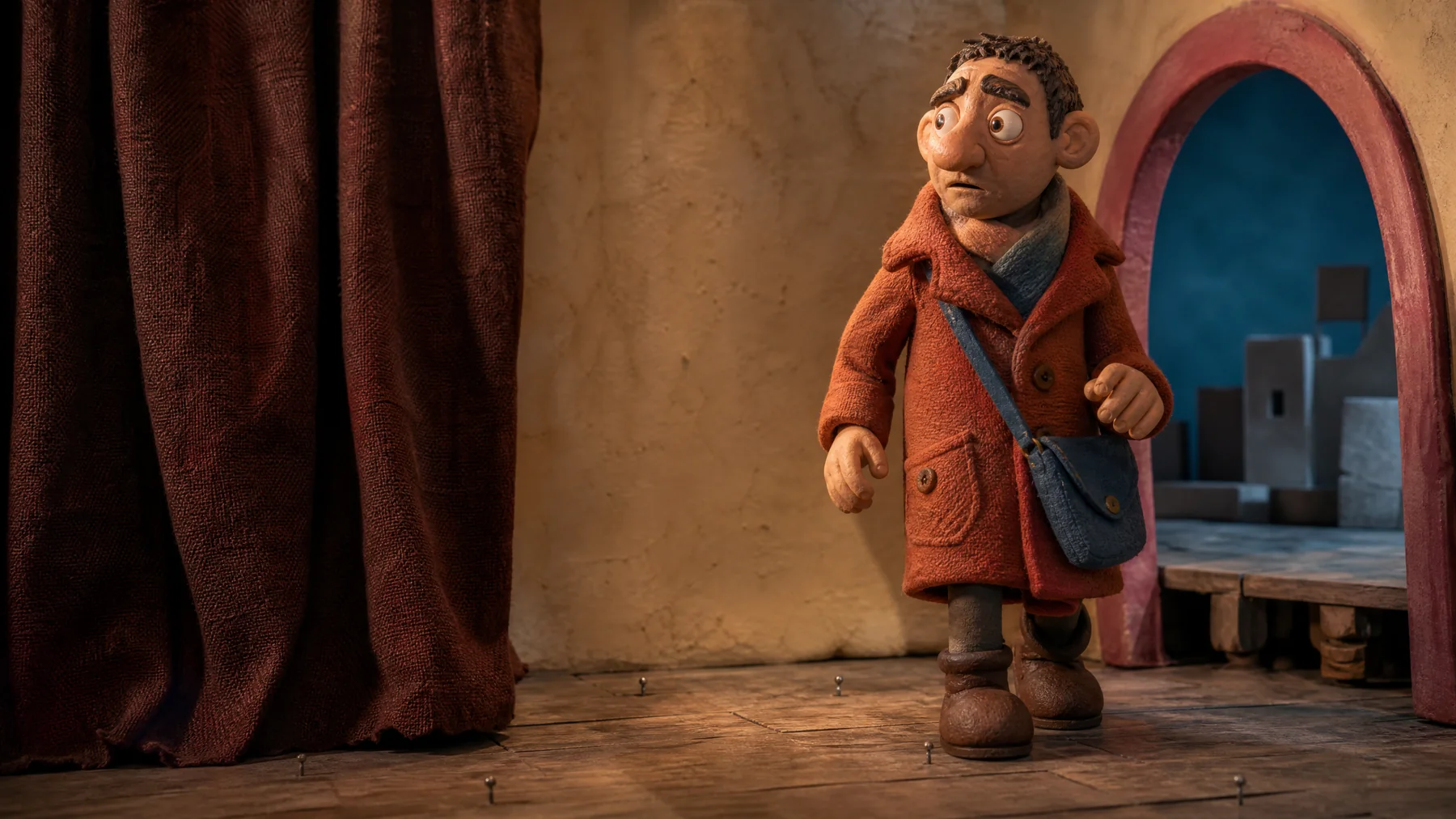
SCENE 01 / THE DIFFICULT STEP
Xemadavo develops character animation and rigs around intention, silhouette and the physical consequence of every choice.
PERFORMANCE BEFORE POLISH
We define the angles, compression and asymmetry that make this character readable.
The rig protects volume and appeal while giving animators meaningful choices.
Timing, overlap and eye direction serve the scene rather than a generic motion recipe.
INTERACTIVE FRAME BENCH
Each rehearsal reveals a different requirement for silhouette, facial range and secondary motion.
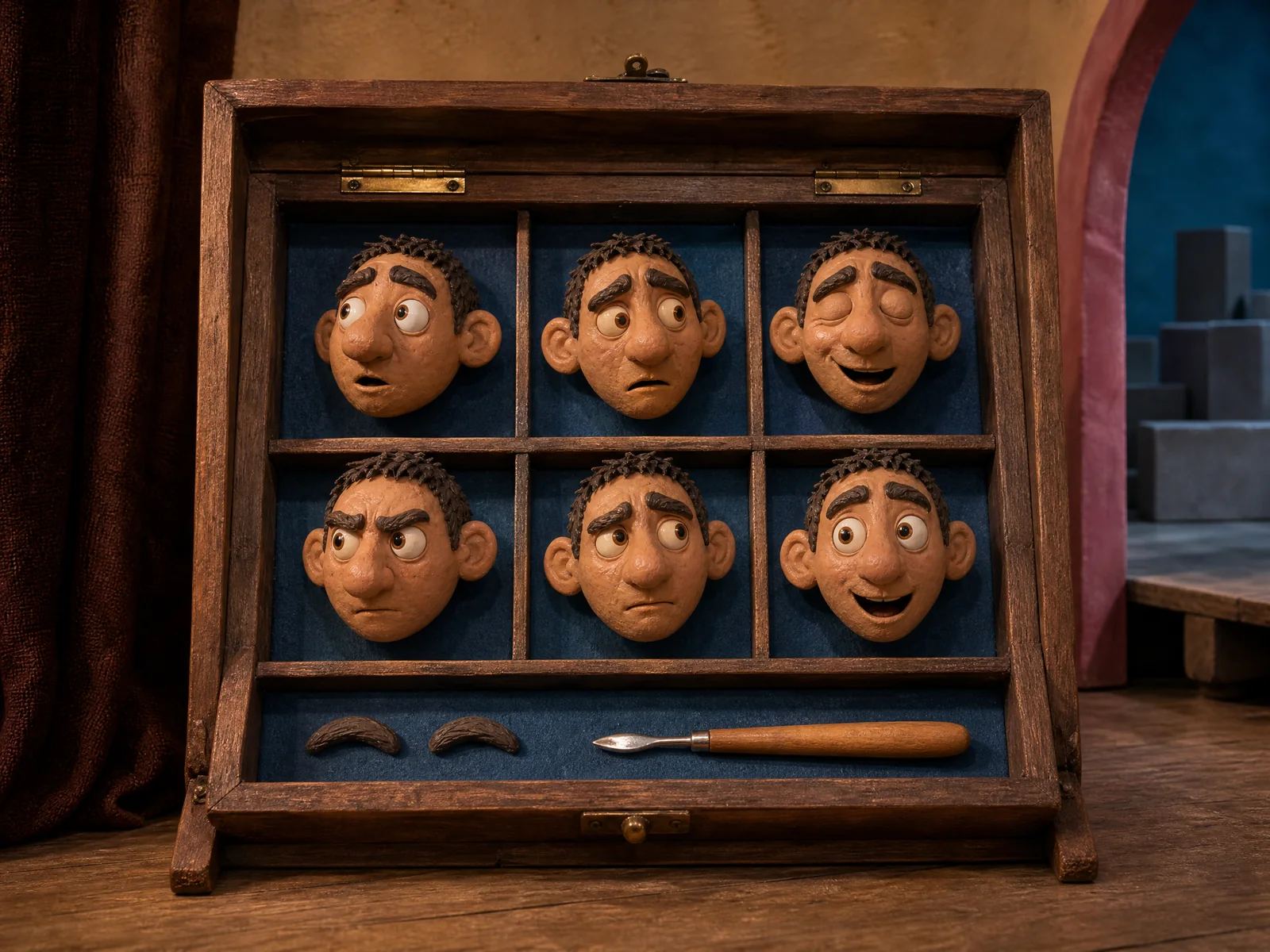
BEAT A / LISTEN
A listening beat needs small brow changes, an active eyeline and enough jaw control to hold a thought before speech.
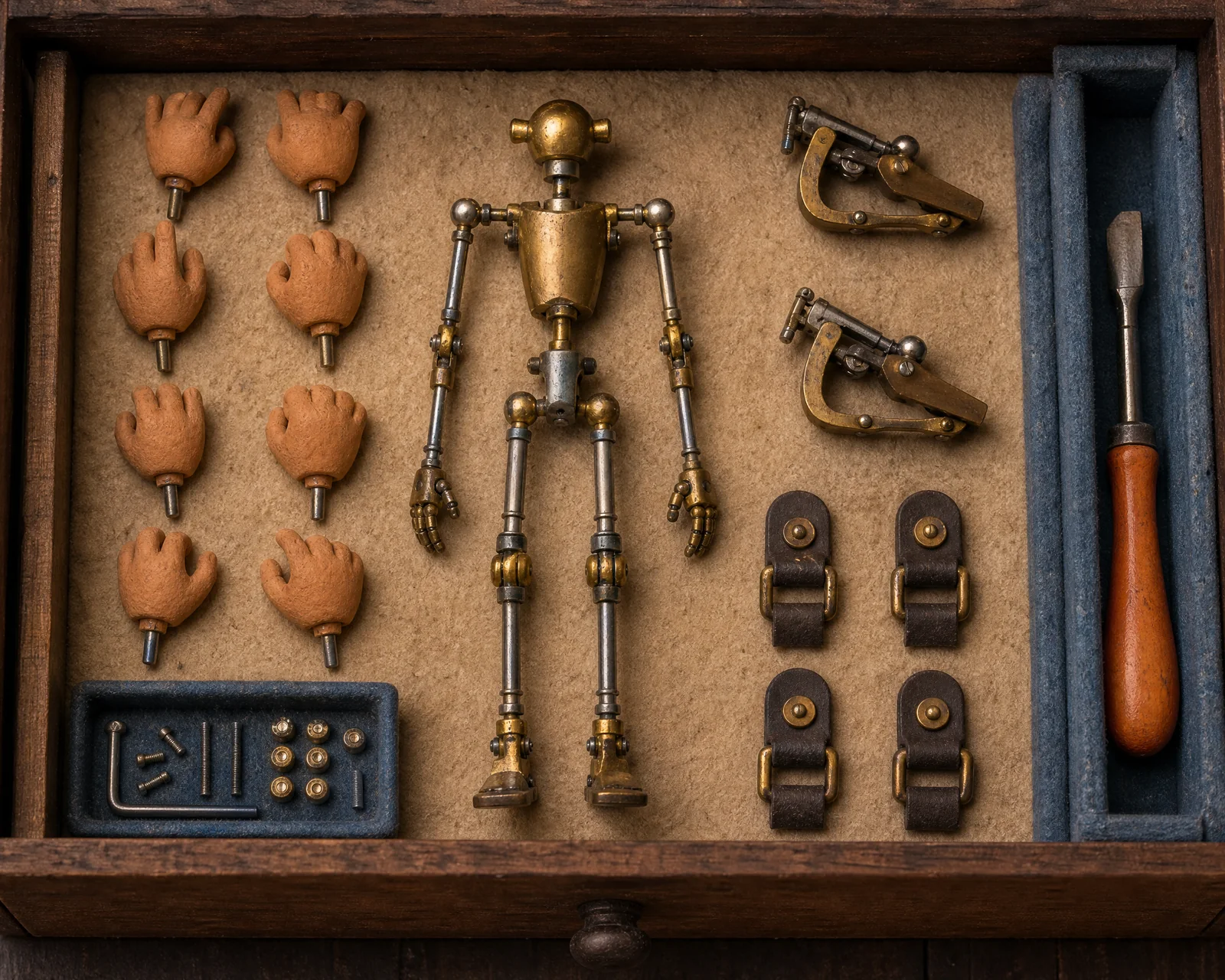
DRAWER 02 / ARMATURE
We design for the actual shots: contact, balance, face range, costume drag, prop interaction and the moments where the character must hold still without feeling dead.
Stable feet, predictable arcs, useful IK/FK transitions and deformation that protects the designed shape.
Controls organised by intention and readable combinations, not an overwhelming catalogue of isolated shapes.
Naming, selectors, versioning and tests support real shot work and safe handoff.
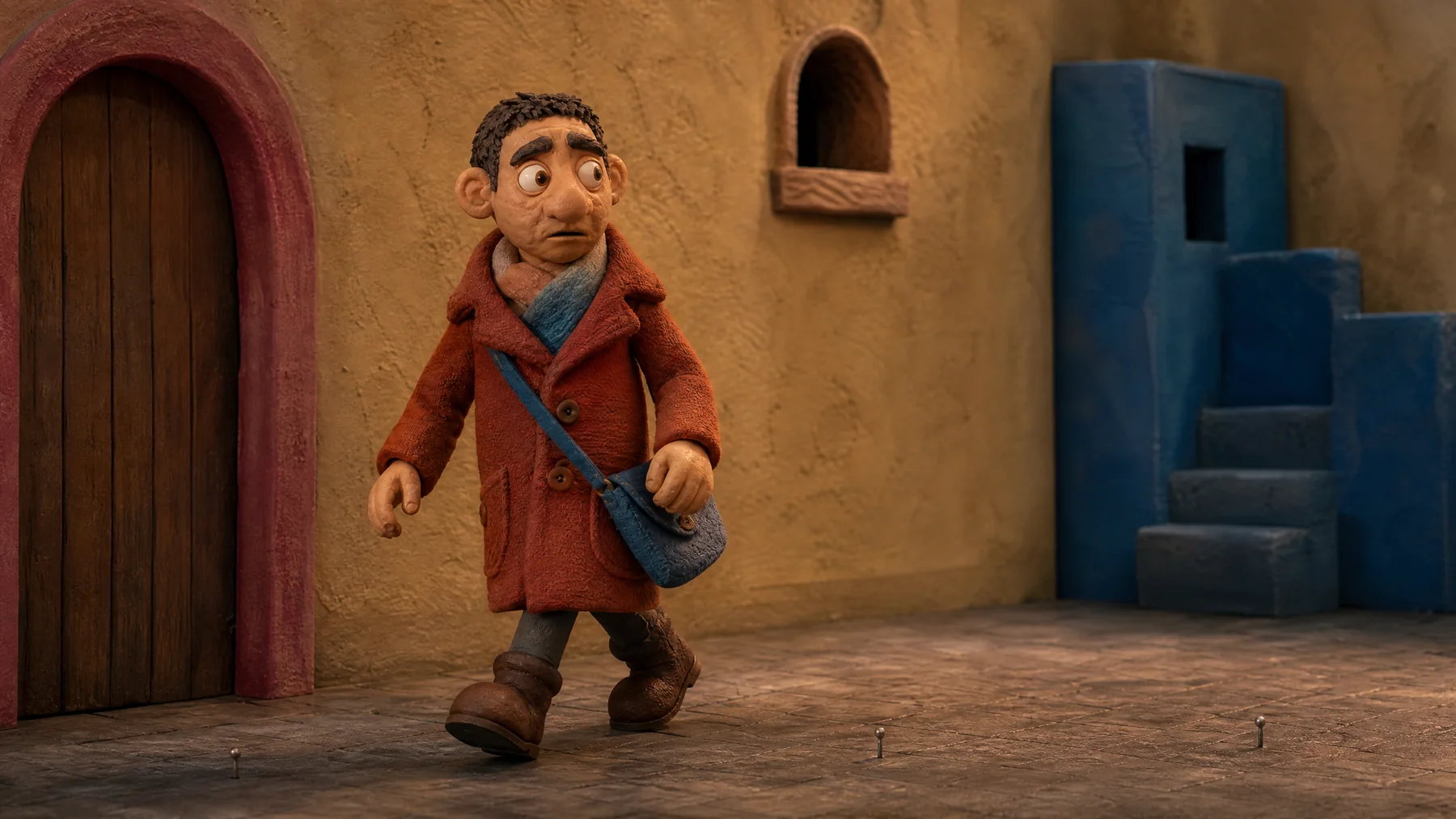
SCENE 03 / WALK
Foot pressure, pelvis rhythm, arm delay and head stability tell us whether the character is hurried, guarded, hopeful or pretending not to be tired.
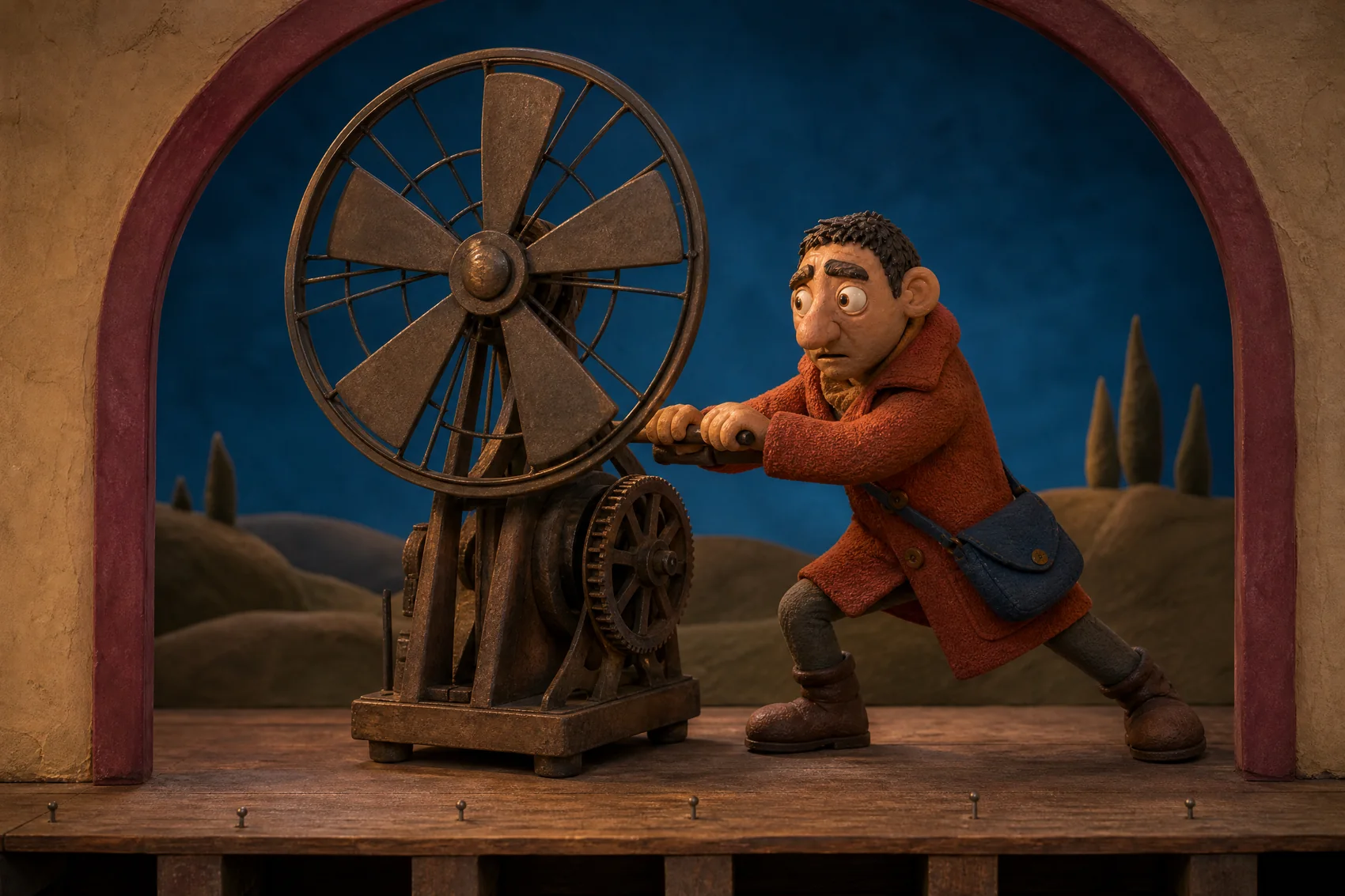
BODY FORCE
A convincing push connects intent, foot pressure, spine and the resistance of the world.
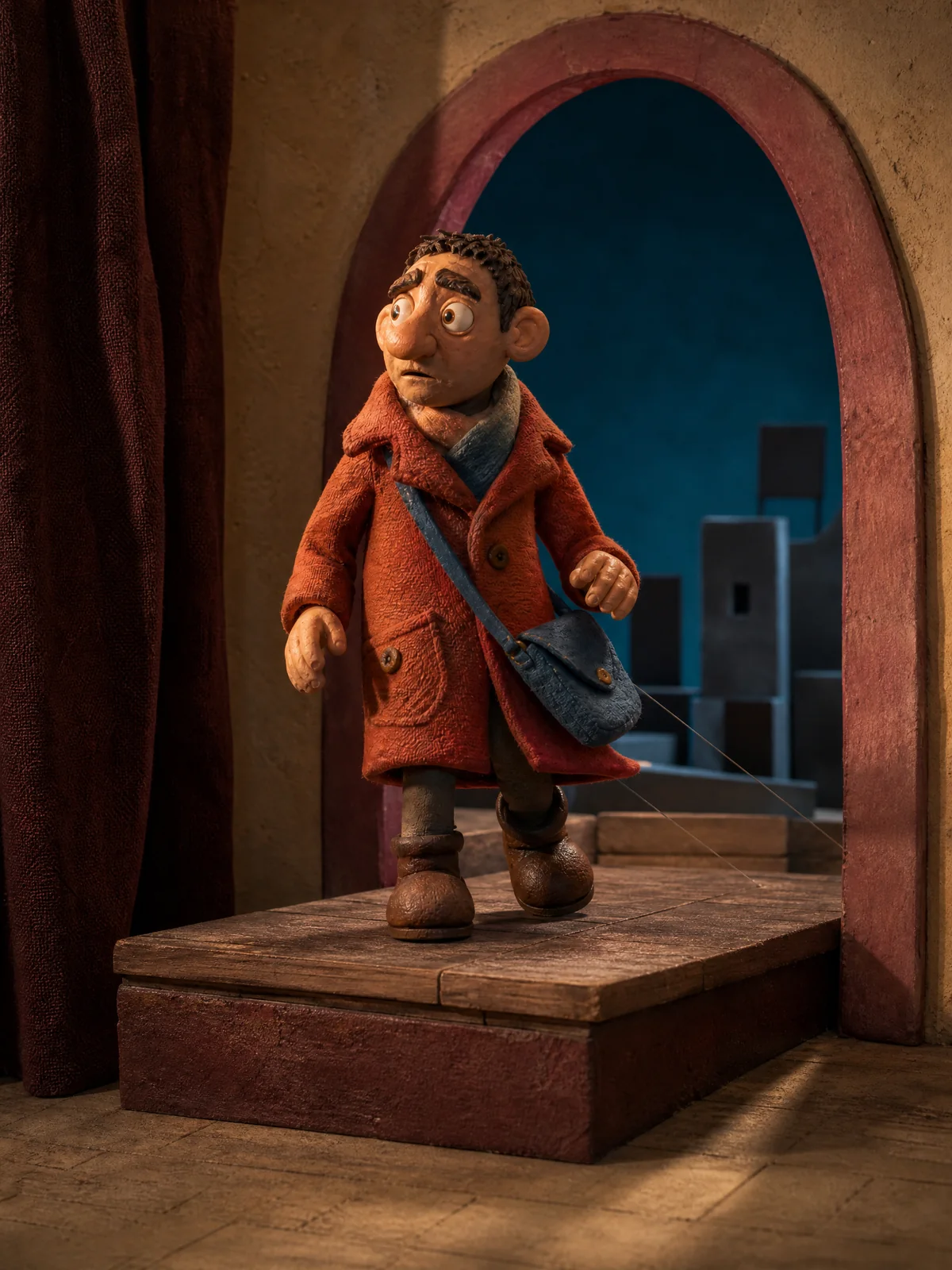
OVERLAP
Coat, satchel and small accessories carry delay that describes material, speed and mood.
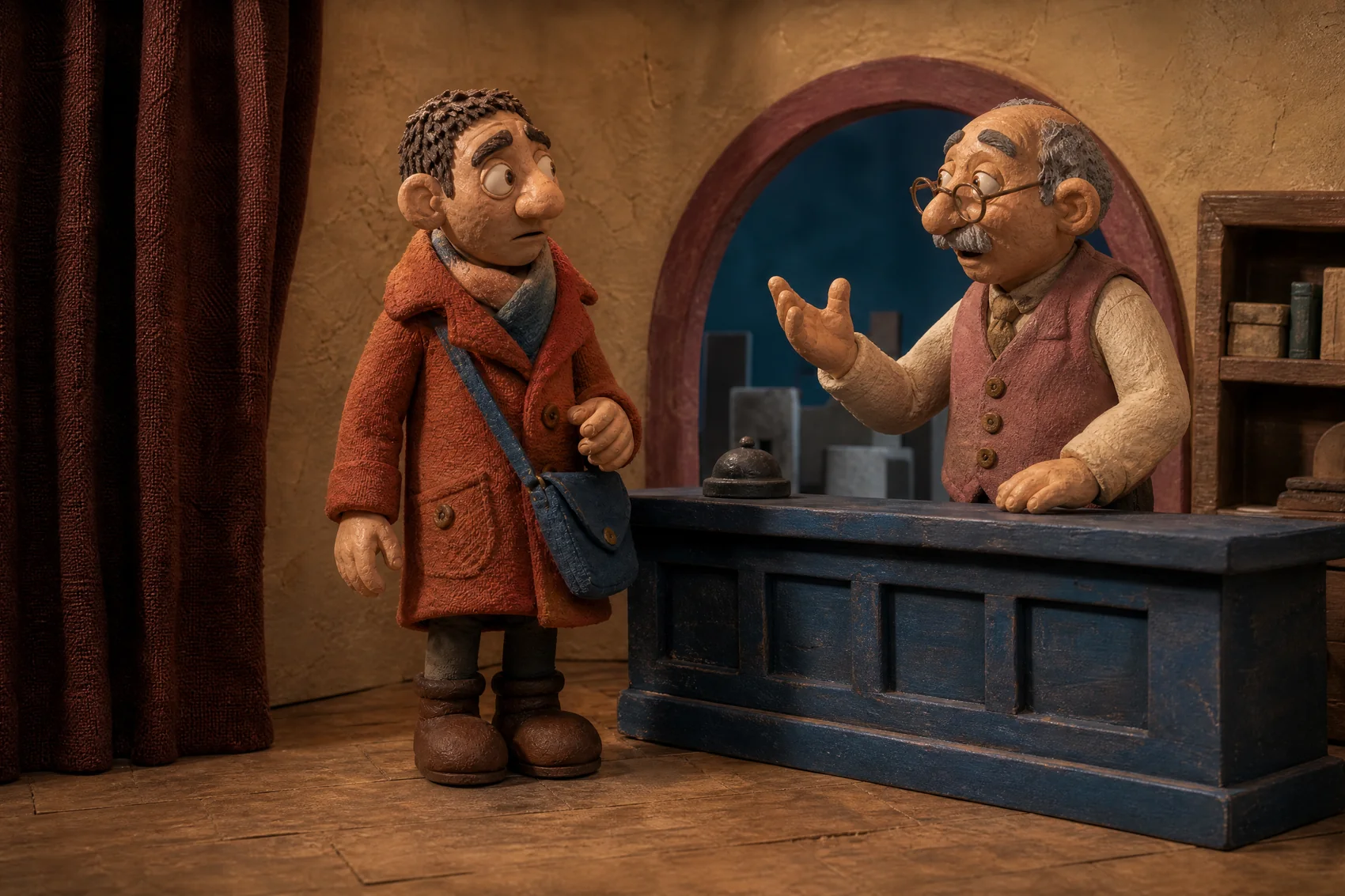
SCENE 04 / DIALOGUE
Speaking is only half the scene. We stage the listener’s eyeline, delayed reaction and body tension so the cut has somewhere meaningful to land.
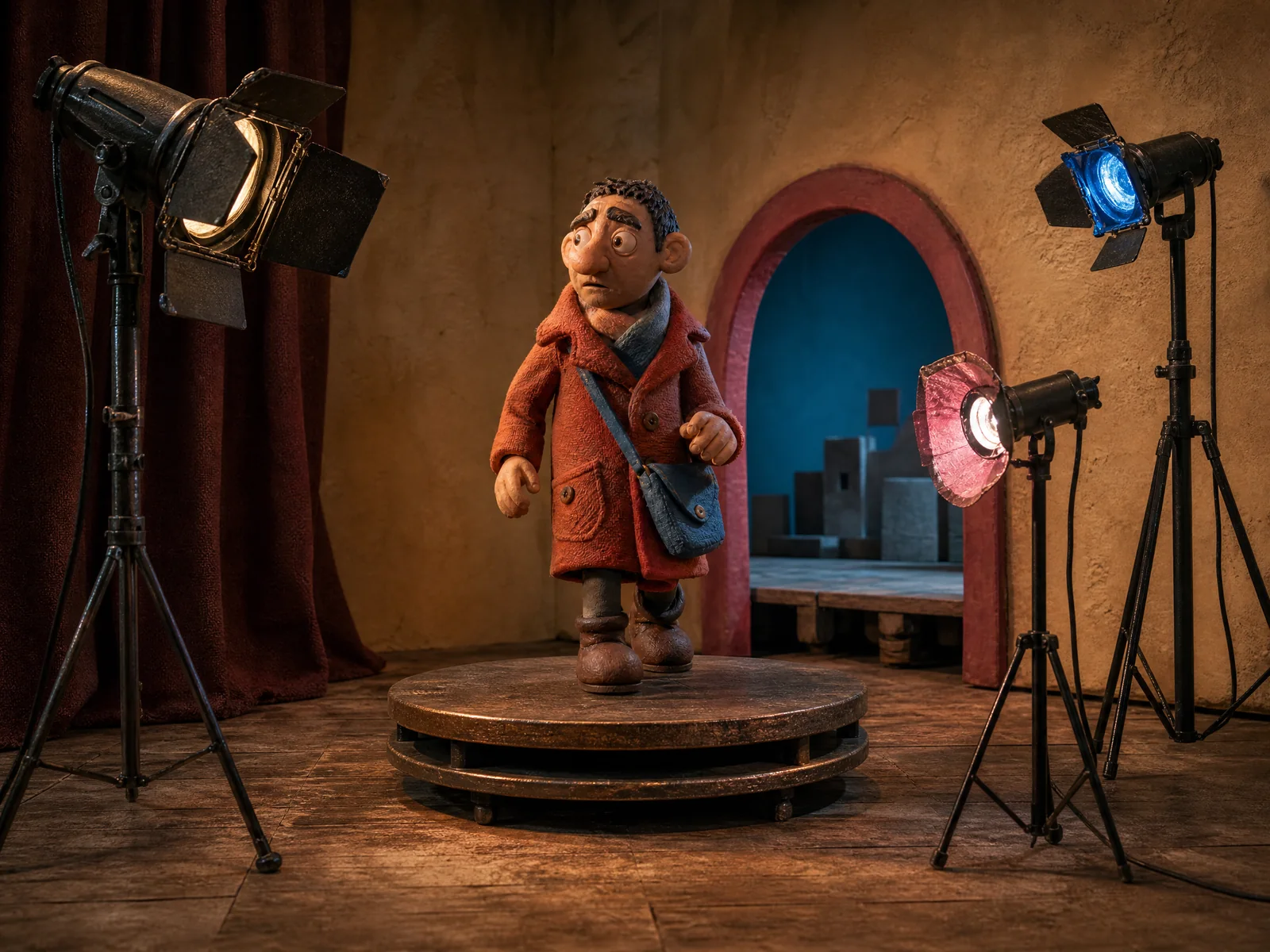
LOOK DEVELOPMENT / TURNAROUND
We test silhouette, eye contrast, face planes and material response before a rig or puppet enters repeated production.
Discuss a character test →WORKSHOP QUESTIONS
Yes. We identify the shapes and asymmetries that must survive posing, deformation and camera distance before defining controls.
The scope can include either or both. A performance test is often useful even when the primary deliverable is a rig.
Yes. We begin with the shots that fail, reproduce the problem and repair controls or deformation in focused slices.
We work backward from emotional beats, dialogue range, camera distance and the combinations animators need most often.
The agreed handoff may include control maps, selectors, usage notes, tests, version information and a short continuation backlog.
No matching question. Bring it to the workshop.
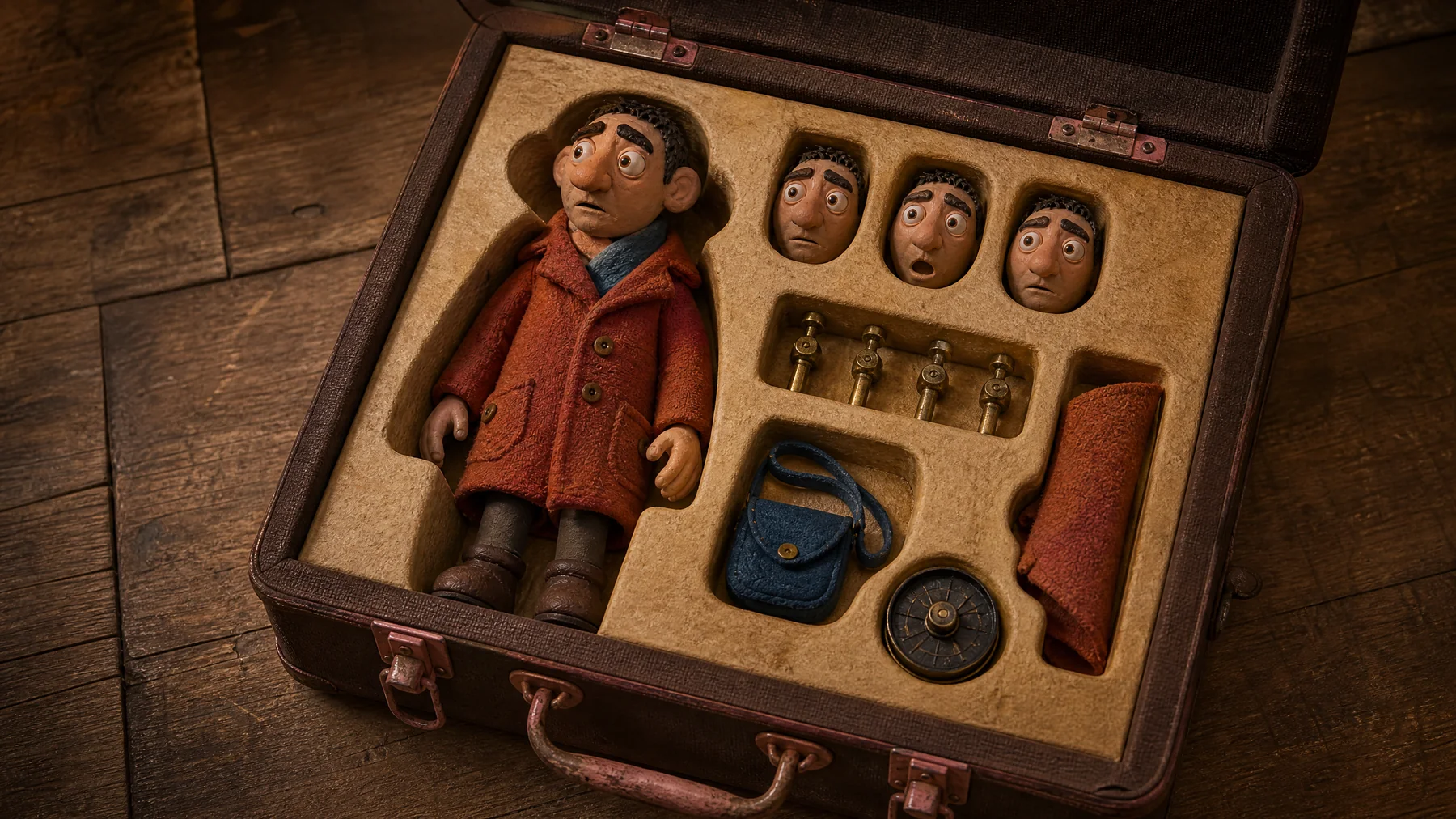
OPEN A PRODUCTION NOTE
Tell us about the character, the emotional problem and the shot or control that currently refuses to work.
[email protected]